November 12, 2026
Homeowners often face a challenging decision when determining whether to repair or replace a roof. This decision is complex and involves multiple factors such as cost, functionality, and material selection. Understanding these elements can help homeowners make an informed choice, balancing financial investment with household needs and expectations. In this article, we will explore the key considerations surrounding roof repair versus roof replacement. Our roofing company aims to guide you through the decision-making process by discussing cost analysis, lifespan, energy efficiency, design, and timing.
Assess Your Roof's Current Condition
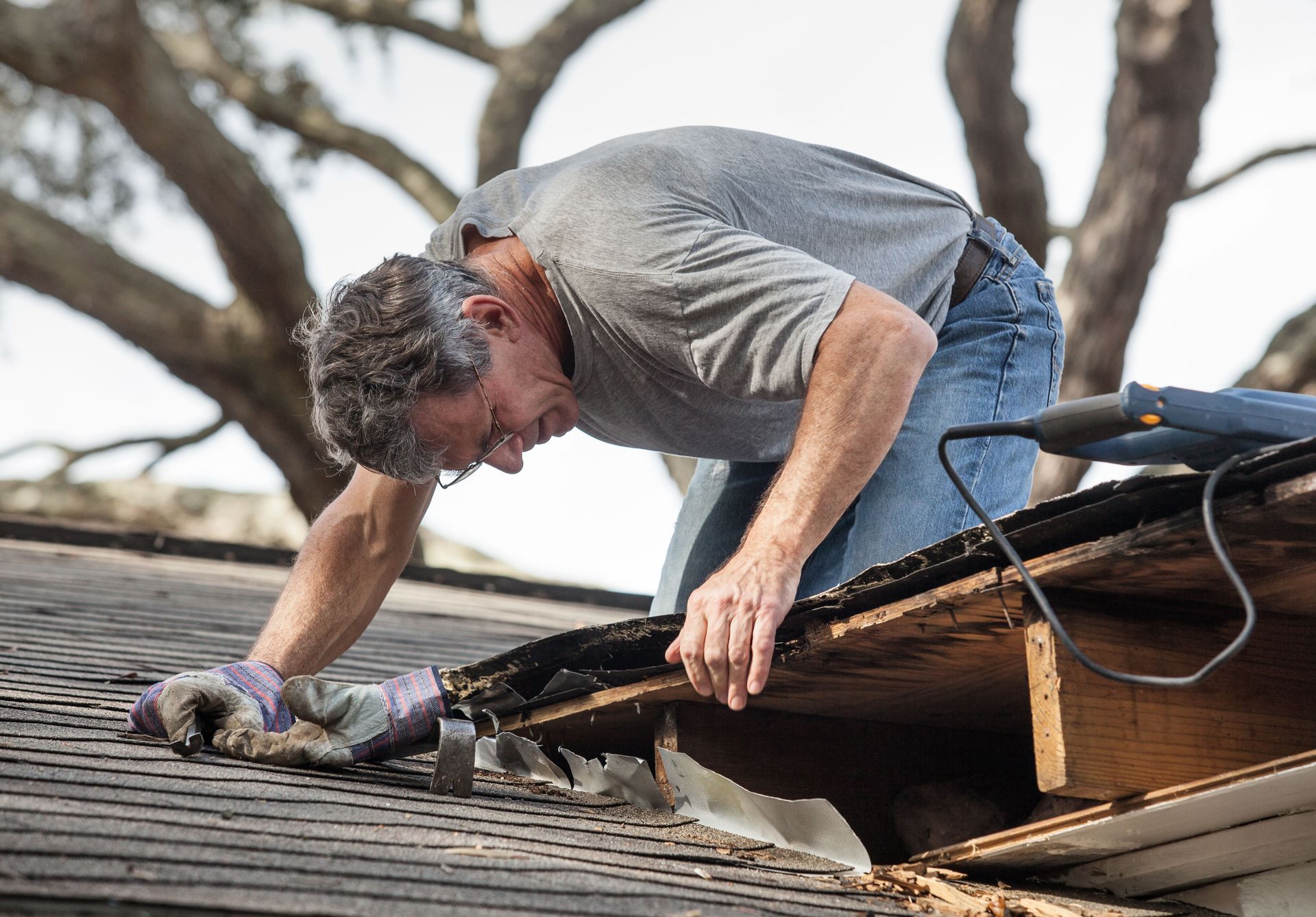
Before deciding on roof repair or replacement with a roofing company, it is crucial to thoroughly assess the current condition of your roof. Start by inspecting visible damage, such as missing shingles, leaks, or discolorations. Visible issues often indicate underlying problems that might need more extensive work. Beyond surface damage, understanding the structural integrity of the roof is vital. Look for signs of sagging or disturbances in the roof's alignment, as these factors can significantly impact the roof's effectiveness.
Age and the materials used in your current roof play a significant role in decision-making. Asphalt shingles, from our experience, commonly last 20 to 30 years, so if your roof is approaching that age, replacement might be more economical. Factors like weather conditions and maintenance routines also affect lifespan. Aging materials can lead to more frequent repairs, which might accumulate costs over time. Therefore, aligning the age of your roof with its material capabilities is essential for a cost-effective decision.
Professional roof inspections from a roofing company provide a comprehensive evaluation of both visible and hidden issues. These experts can diagnose causes of damage, such as moisture intrusion, pest issues, or improper installation. Regular inspections help with early identification of problems, allowing for proactive measures. According to Today's Homeowner, a well-maintained roof can significantly boost home value, with a fresh asphalt roof typically returning 60%–70% of its cost in resale. Such insights help homeowners acknowledge the broader value of maintaining their roofs.
Compare the Costs of Repairing and Replacing Your Roof
Financial implications are often the most significant consideration in the repair versus replacement debate. Initial cost is a primary concern, with repairs typically being less expensive than full replacements. However, repair costs can accumulate, leading to higher long-term expenses. Analyzing the cost over time is essential, as piecemeal repairs may not provide the same return on investment as a complete replacement. Replacement, though expensive initially, often comes with warranties that offer peace of mind.
The long-term maintenance cost is another consideration when choosing between repair and replacement. Frequent patches and short-term fixes might save money at the moment but could incur higher costs down the line due to recurring issues. Conversely, a new roof can offer efficiency and longevity, reducing the frequency and cost of future maintenance. Additionally, evaluate any insurance and warranty implications that might support or deter either option. Insurance policies might favor replacements, given the improved durability and reduced risk of damage.
Financing options and incentives can alleviate the financial burden associated with roofing projects. Contractors may offer payment plans or financing at reasonable terms, and some regions have rebates for energy-efficient roofing systems. Furthermore, according to Today's Homeowner, an asphalt roof typically returns 60% to 70% of its cost in improved home value. This potential increase in property value can make the cost of replacing a roof more justifiable. Homeowners need to weigh these factors to determine the cost-effectiveness of repairs versus replacements.
Evaluate the Lifespan and Durability of Each Option
The lifespan of repairs is often limited and depends on the existing condition and materials of the roof. Temporary fixes from a roofing company can extend a roof's life but might not be sustainable in the long run. The durability of the repair work may be compromised by the underlying conditions that remain unaddressed. Conversely, repeated repair costs can eventually eclipse the cost of a new roof. Careful consideration of repair longevity is essential to strategize the best investment plan.
A complete replacement, although costly, offers a longer-lasting solution with improved longevity. Certain materials, like metal or slate, offer durability that can span decades, ensuring minimal maintenance. A new roof can withstand adverse weather conditions better than an older one. When determining the replacement's lifespan, consider environment-specific factors like climate and local weather conditions. These factors influence material selection and installation techniques, directly impacting durability.
Improve Energy Efficiency Through Roofing Upgrades
Energy efficiency is another crucial aspect when deciding between roof repair and replacement with a roofing company. Proper insulation is vital for efficient heating and cooling within your home, directly affecting energy bills. A roof with compromised insulation due to age or damage could lead to higher energy expenditures. Insulation enhancements during a replacement can make a significant difference in energy usage. Therefore, homeowners need to consider the impact of their decision on their home's overall energy efficiency.
Reflective and cool roof technologies come into play when considering energy savings. These systems are designed to reflect more sunlight and absorb less heat compared to standard roofing products. Both repair and replacement projects can benefit from incorporating these technologies, though new installations often allow for greater freedom in material choice. Such improvements can significantly lower cooling costs, particularly in warmer climates. As a result, an investment in a new roof can lead to substantial long-term savings.
Enhance Your Home's Appearance With the Right Roofing Materials
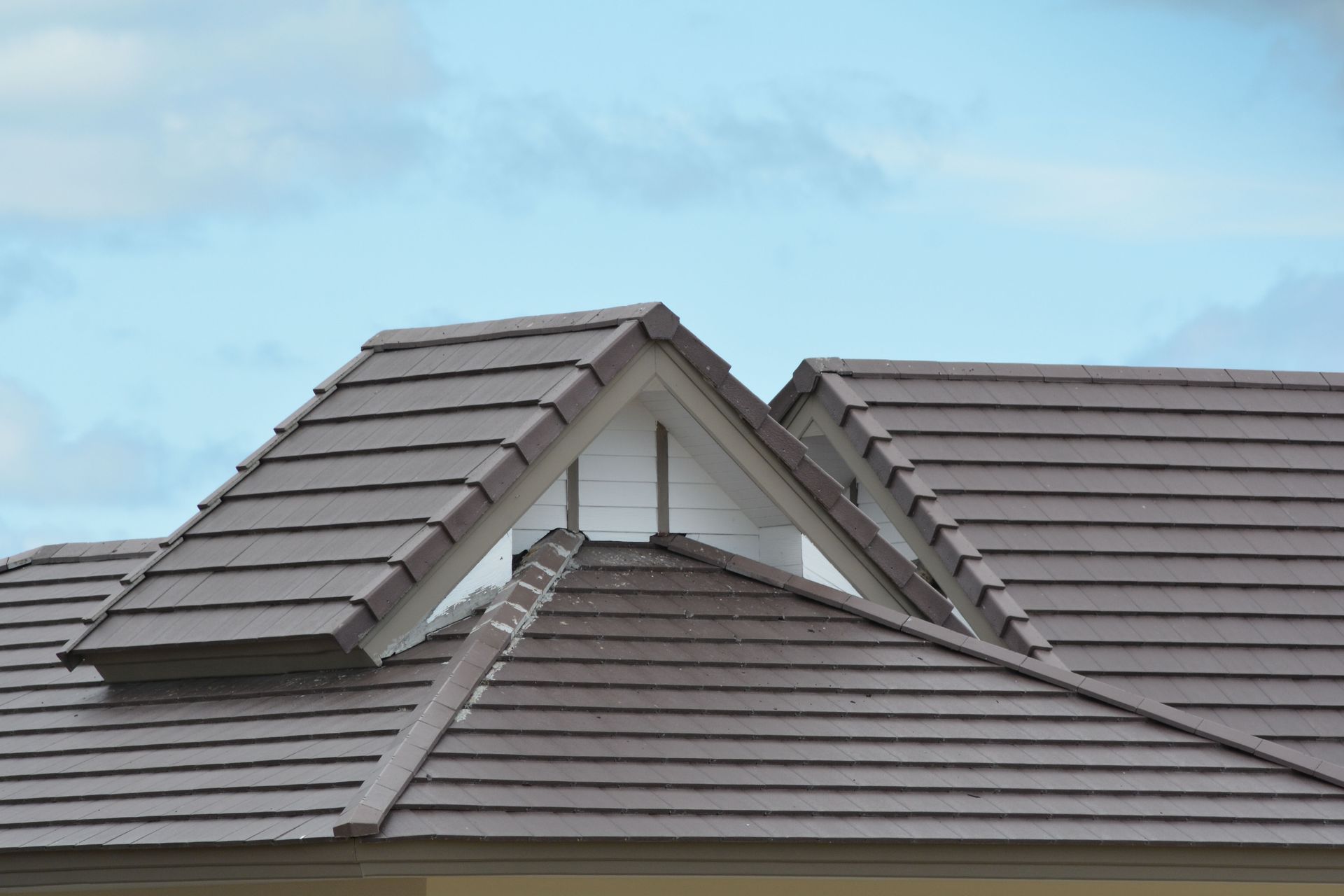
The visual impact of a roof should not be underestimated, as it significantly contributes to your home's curb appeal. Homeowners should consider how well the roof's materials and colors blend with the existing architectural style. Roof materials come in various styles and colors, which can be strategically chosen to enhance aesthetics. Repairing may limit these options due to existing constraints, while replacement opens new possibilities. This factor also impacts market value, with a well-designed roof potentially contributing to a higher selling price.
Material and color options may also influence the decision between repair and replacement. While matching existing materials during repairs is often necessary to maintain consistency, replacements allow for material upgrades. Modern roofing materials often feature improved performance metrics, including better durability, eco-friendliness, and maintenance ease. In addition to practical benefits, they also provide aesthetic improvements through color stability and design versatility. Therefore, replacement options can offer a heightened level of customization.
Plan Your Roofing Project Around Seasonal Conditions
The timing of roof repair or replacement can influence the decision and success of the project. Certain seasons might offer optimal weather conditions that facilitate quicker and more efficient work. During these times, materials may be easier to handle, and the risk of weather-related delays is reduced. Homeowners should consider contractor availability, as demand can peak during specific times. Understanding seasonal trends can help in obtaining favorable quotes and scheduling optimal project times.
Weather-related risks need consideration as they can disrupt both repair and replacement processes. Inclement weather can lead to delays and increased labor costs, impacting the timeline and budget. For example, heavy rains or extreme temperatures can complicate roofing installation. Homeowners need to understand these potential challenges to ensure project resilience. Seasonal planning with a roofing company helps in minimizing disruptions and securing timely completion.
Deciding between roof repair and replacement is complex, requiring consideration of financial implications, lifespan, energy efficiency, aesthetics, and timing. Each option presents unique benefits, with the right choice depending on individual circumstances and plans. Understanding your roof's current condition, evaluating costs over time, and considering design and seasonality factors are critical. By thoroughly considering all these factors, homeowners can make informed decisions that best suit their needs and investment capabilities. Reach out to Capital Roof Company to learn more about our roofing company and services today.