January 13, 2026
With time, every roof undergoes wear and tear. Regular maintenance can extend a roof's life, but eventually, signs indicating a need for replacement emerge. Spotting these signs early on can save homeowners unnecessary expenses and inconveniences. This article explores the critical indicators that signify the need for a new roof. Understanding these signs gives you the opportunity to act before major damage occurs.
1. Shingle Damage
Shingles that are Curling or Buckling
Shingles that begin to curl or buckle are early indicators that your roof may need replacing. Such distortion is commonly caused by moisture absorption that stems from an improperly ventilated roof structure. Once shingles lose their shape, they no longer provide effective protection against water penetration. This makes your home susceptible to leaks, leading to water damage and a compromised home structure. It's crucial to monitor these deformations closely, especially in areas frequently exposed to extreme weather conditions.
Missing or Lost Shingles
Missing or lost shingles leave your roof vulnerable to the elements. This issue often arises from severe wind conditions or natural roof aging. Without these shingles, rainwater can easily seep into the sub-layer, causing significant damage to your home's interior over time. To prevent a rapid deterioration of your roof, any missing shingles should be replaced promptly. Additionally, it is wise to investigate the cause behind the lost shingles to address any underlying issues.
Cracked or Broken Shingles
Cracking or breaking of shingles is another visible sign of roof aging. Extreme temperature fluctuations can cause shingles to expand and contract, leading to breakage. This compromises the roof's ability to repel water and could lead to leaks. Regular inspections can help spot these issues before they exacerbate. Timely repairs are essential to prolong the roof's lifespan and avoid more significant problems down the line.
Blistering of Shingles
Blistering occurs when trapped moisture within shingles expands under the sun's heat, forming bubbles on their surface. Over time, these blisters can pop, leaving your roof compromised. The presence of blisters indicates improper ventilation or inadequate roofing installation. Addressing ventilation issues can reduce blistering and extend the roof's integrity and performance. Professional roofing assessments from a reliable roofing company can offer insights into the necessity of replacing affected sections.
2. Age of the Roof
Understanding Roof Material Lifespan
The average lifespan of a roof is influenced by the material it is made from. For instance, asphalt shingles typically last 20 and 25 years, while metal roofs can last over 50 years. According to The Spruce, on average, a roof will last between 25 and 50 years. Understanding these timelines helps homeowners plan for eventual replacement. Investing in quality materials and professional installation can maximize the lifespan of your roof.
Comparing New Roof vs. Repair Costs
Deciding between repairing an existing roof and opting for a new one depends on various factors. While repairs can save money upfront, they may not be cost-effective if your roof is nearing the end of its lifespan. Continual patchwork repairs can become costly over time. Evaluating long-term costs and benefits is essential before committing to extensive repairs or a new roof. Consulting with a roofing company can provide clarity and guidance in this decision-making process.
Checking Previous Roof Maintenance Records
Maintaining meticulous roof maintenance records offers insights into the overall health of your roof. These documents reveal past work done and indicate potential trouble spots to monitor. Having a record of regular inspections helps homeowners ensure consistent and necessary upkeep. Reviewing past records can also help in detecting patterns or recurrent problems. This proactive approach often prevents minor issues from evolving into major ones.
Inspection for Sagging Areas
Sagging areas on a roof indicate significant structural damage that needs immediate attention. Such deformation suggests issues with underlying beams or substantial water absorption. Ignoring these signs can lead to severe, costly damage and potential safety hazards. Structural integrity can be compromised, leading to further issues inside the home. Professional assessments should be sought to evaluate the extent of damage and necessary repairs.
3. Exterior Roof Damage
Unexplained Debris in Gutters
Finding debris in your gutters often signals roof material deterioration. Shingles losing granules manifest as sediment found during gutter cleaning. Accumulating debris could indicate significant roof wear requiring investigation. Clean, unobstructed gutters help ensure proper drainage and reveal potential roofing issues. Regular gutter cleaning and inspection contribute to identifying and addressing roof problems promptly.
Chimney Flashing Issues
Chimney flashing forms a crucial barrier preventing water from entering where the roof meets the chimney. Damaged flashing leads to leaks and potential water damage inside the home. Checking the condition of flashing during routine inspections can prevent such problems. If compromised, replacing flashing promptly safeguards against further water intrusion. Partnering with a roofing company ensures high-quality materials and installation methods.
Damaged or Missing Roof Valleys
Roof valleys, where two roof slopes meet, are critical in directing water off the roof. Damage or missing elements in these valleys can disrupt water flow, leading to pooling and leaks. Ensuring roof valleys remain clear and free of obstructions is vital for preventing water accumulation. Proactive maintenance and clearance of any debris prioritize optimal water drainage. Addressing valley issues early prevents escalating damage to roof structural integrity.
Rotting Underlayments or Supports
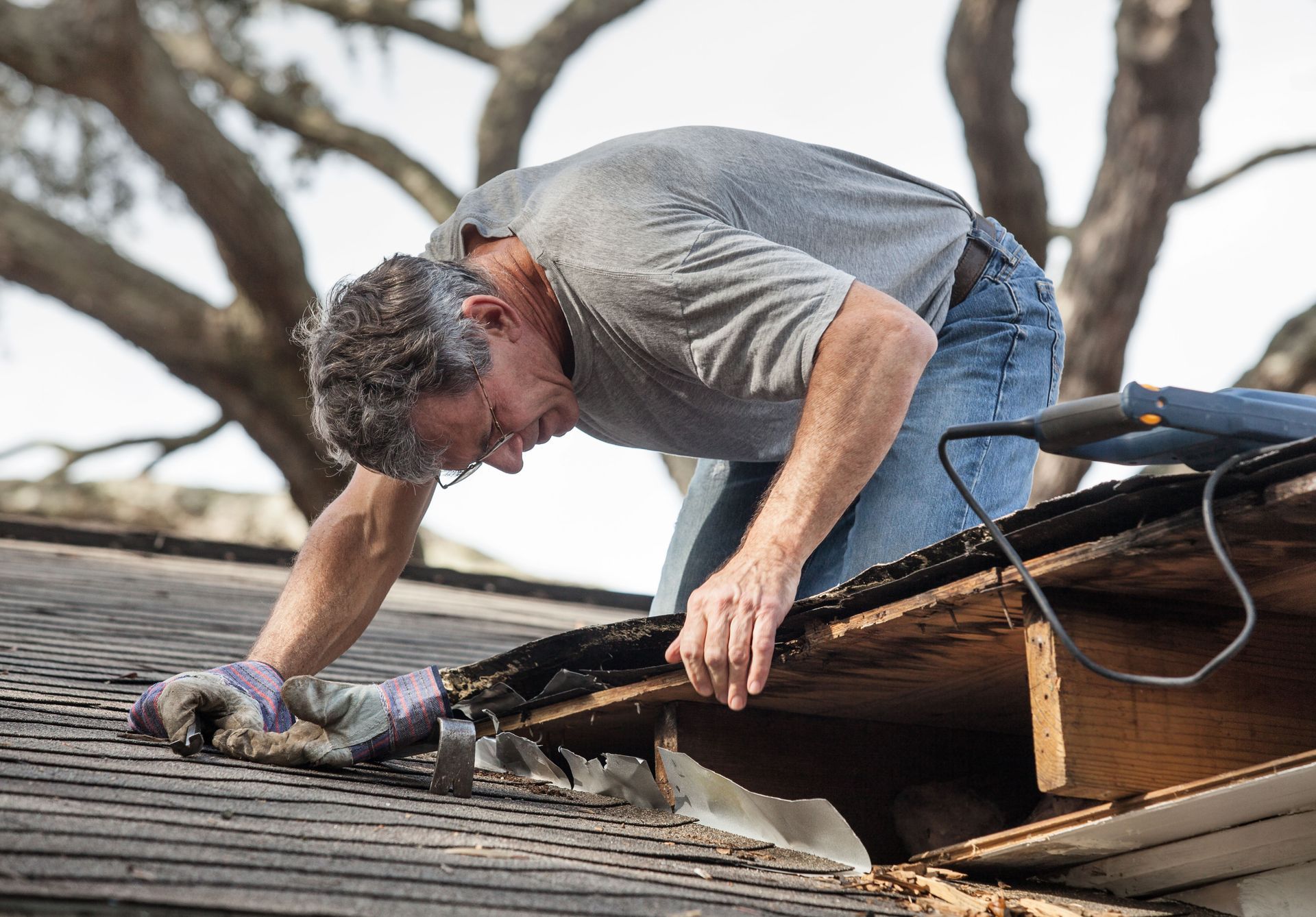
Rotting underlayments or structural supports underpin serious roofing issues that require immediate attention. These elements serve as the foundation of your roofing system, and deterioration suggests penetrative leaks or extended neglect. Such damage can rapidly affect the entire roofing structure, posing safety risks. Timely assessment and repair curtail further damage and secure the roof's foundational strength. Prioritizing professional evaluations ensures comprehensive solutions.
4. Prolonged Weather Exposure Effects
Hail Damage Signs
Hail impacts can leave visible dents or punctures in roofing materials, compromising their integrity. Even small, less-noticeable damage can aggregate over time, leading to leaks and structural issues. Evaluating roofing for hail damage after storms helps catch problems early. Insurance assessments can often cover damage, offsetting replacement costs. Addressing hail damage avoids compounded future repair needs.
Wind-Induced Displacement
High winds can lift or completely remove roofing materials, leaving the structure exposed. Regular inspections after significant wind events are crucial to identify potential displacements. Missing or displaced materials should be replaced promptly to prevent further issues. Moreover, reinforcing roofing aspects vulnerable to frequent wind exposure can enhance resilience. Collaborating with a roofing company provides strategies to mitigate wind impact risks.
Sun Exposure and UV Damage
Constant sun exposure and UV rays can degrade roofing materials, diminishing their effectiveness over time. Such exposure can cause fading, warping, or breakage, especially in older or low-quality roofs. Evaluating roof condition and addressing UV damage issues promptly preserves material longevity. High resistance materials or protective coatings can mitigate UV effects. Regular replacements and upgrades ensure optimal performance against sun damage.
Effects of Regular Wet/Frost Cycles
Cyclic weather changes between wet and frost can lead to material contraction and expansion. This inconsistency increases stress on the roofing materials, leading to cracks or leakage risks. Regular assessments ensure timely rectification and prevent long-term damage consequences. Incorporating flexible, durable materials aids in countering these natural cycles. Climate-adapted roofing solutions from a roofing company enhance roof durability against cyclic weather impacts.
Recognizing these signs early can preempt significant damage and costs. It's essential to conduct regular roof inspections and address repair needs promptly. When in doubt, consult a roofing company who can provide expert guidance and help extend the lifespan of your roof while ensuring your home remains protected. Proper maintenance and attentiveness to these indicators help preserve a roof's functionality and aesthetic value. Proactive steps today prevent costly repairs tomorrow, ensuring peace of mind and home safety. If you need roofing services, contact Capital Roof Company today.